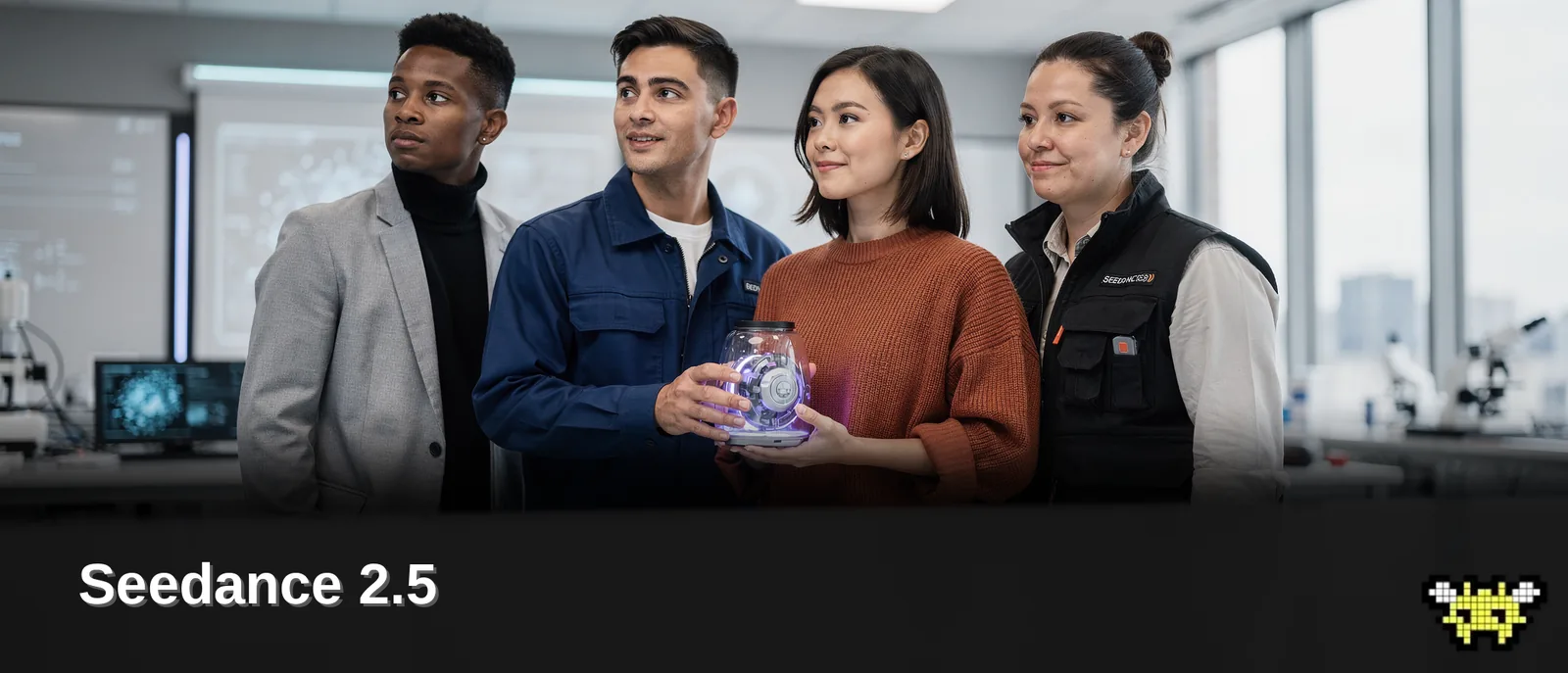
Seedance 2.5 delivers native 30-second video generation at full 4K resolution in a single rendering pass. The model accepts up to 50 multimodal reference inputs, enabling precise character, style, and scene consistency across longer clips. It adds region-level editing and native audio sync, giving content creators and video marketers director-level control for ads, social content, and storytelling production without stitching multiple shorter clips together.
What Makes Seedance 2.5 A Big Leap?
Three upgrades landing together separate Seedance 2.5 from a routine model update. The release doubles maximum clip length to 30 seconds, adds native 4K AI video output, and raises the multimodal reference limit to 50 inputs per generation. No single change would justify the "leap" label alone. Combined, they reshape what a 30-second AI video can look like without stitching multiple clips together or sacrificing resolution for length.
Why do these three changes matter together?
Longer runtime alone would strain resolution or reference handling on most systems. Pairing a doubled clip length with 4K output and 50 multimodal reference inputs means creators keep visual fidelity. Character consistency across a full 30 seconds. That combination is what separates a genuine architecture upgrade from a marginal spec bump.
Who benefits most from an AI video generator like this?
Content creators, video marketers, and teams evaluating an AI video model 2026 roadmap stand to gain the most. Ad producers need longer, cleaner takes; storytellers need consistent characters across scenes. Brand teams need output that doesn't look stitched together.
Buzzy AI already serves this same audience through one platform spanning community pro clips, branding ads, and animation. That range mirrors exactly what Seedance 2.5 features are built to support. Buzzy's mission centers on simplifying professional production for adverts, films, and explainer videos. The categories most likely to benefit from longer, higher-fidelity generation.
Doubled clip length: 30 seconds, native, single pass
Native 4K resolution output
50-input multimodal reference ceiling
Buzzy's broader positioning — making professional-quality video accessible to everyone. Explains why evaluators track model upgrades like this one so closely. Why comparisons like Seedance vs Sora 2 and Seedance vs Veo 3.1 carry real weight for production decisions.

Why Does 30-Second Length Matter So Much?
Duration determines whether a generated clip becomes a finished scene or just raw material for hours of editing. A production team working with an 8-15 second ceiling on leading models faces significant manual cleanup before that footage becomes usable, according to industry analysis of current-generation tools. Seedance 2.5 changes that math by handling a full 30-second scene in one pass, native 4K included.
That shift explains why native output length carries more weight than resolution specs alone. Shorter models force teams to generate multiple segments and stitch them together, which introduces visible seams and consistency breaks between shots. A 30-second AI video generated natively skips that entire repair stage, since there's nothing to stitch in the first place.
For content creators and video marketers, this matters most in formats that depend on continuous, uninterrupted shots. Buzzy already simplifies production for advertisements, films, and explainer videos — categories that rarely work well as short looping clips. Longer native segments align naturally with how those formats are built.
Does longer clip length actually reduce editing work?
Yes. Manual cleanup exists specifically because short clips need to be joined, matched, and smoothed at every cut point. A single continuous 30-second generation removes that repair step almost entirely.
Buzzy's Creative Agent and AI video generator workflow, paired with the AI Storyboard tool, becomes more valuable once a single generation can carry a whole scene:
Fewer manual stitch points to review and correct
Storyboard planning maps to one continuous shot instead of several fragments
Creative Agent guidance applies across a full 30-second arc, not just a short segment
That combination positions longer native clips as a workflow upgrade, not just a technical footnote.
What Does Native 4K Resolution Really Add?
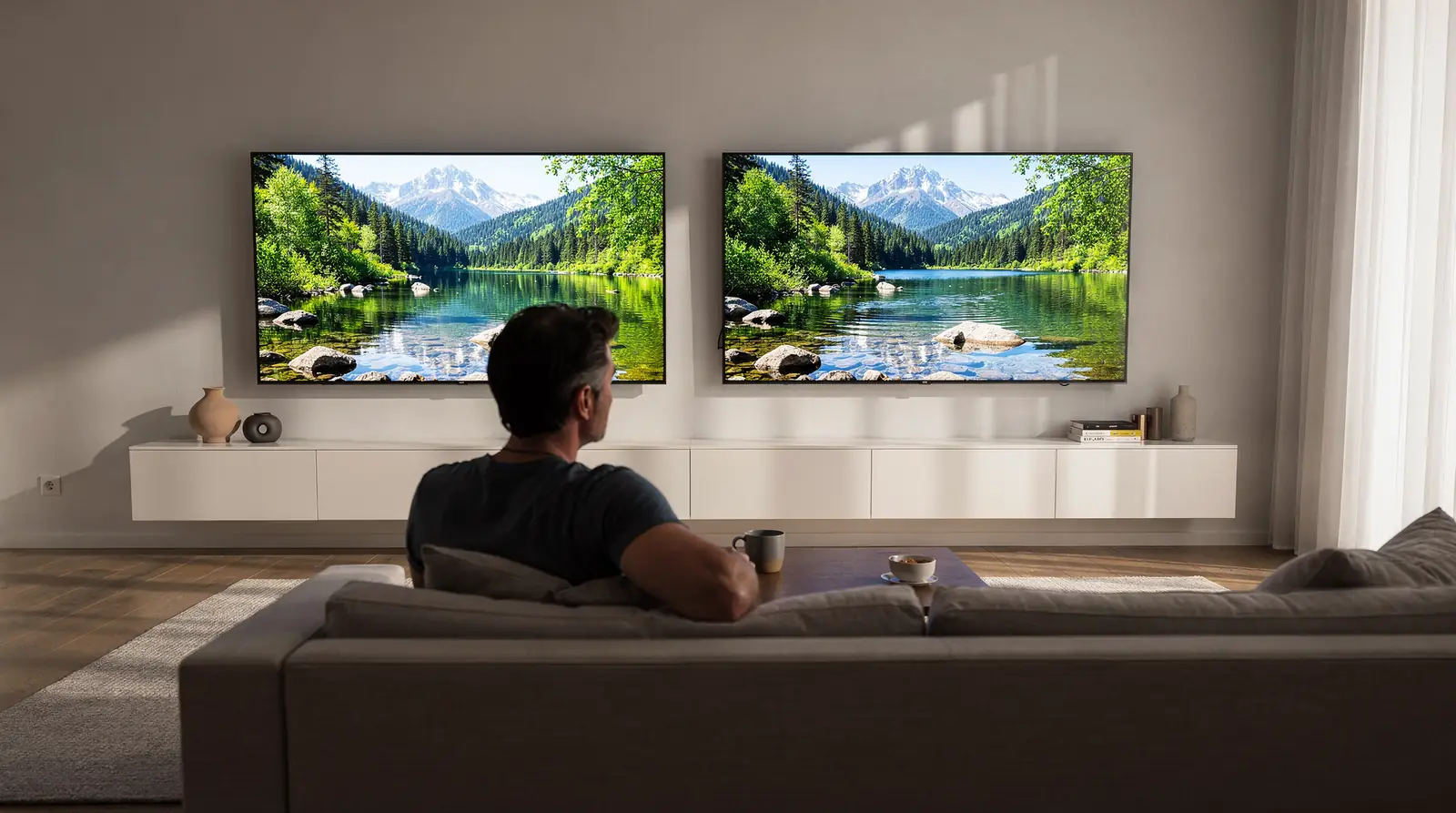
Native 4K resolution raises the visible detail ceiling of every clip without requiring separate upscaling passes after generation. Seedance 2.5 produces this resolution directly, described as the first major AI video model to generate a native 30-second clip at 4K in a single pass rather than stretching shorter footage after the fact. That distinction matters for anyone comparing polish across an AI video model 2026 lineup. Upscaled output tends to introduce softness that sharp source footage avoids.
Buzzy's founding promise centers on making professional-quality output accessible to everyone, not reserved for teams with dedicated production budgets. Native 4K support extends that promise directly. Resolution is one of the clearest markers separating amateur clips from client-ready deliverables. A native 4K AI video foundation gives every project inside the platform a stronger baseline to build from.
That baseline stretches across every format Buzzy supports, not just one. Community pro videos, branding ads, and animation projects all draw from the same underlying model output, so a resolution upgrade lifts all three simultaneously rather than benefiting a single content style.
Does higher resolution actually matter for social content?
Social feeds compress video aggressively. Starting from 4K source material still preserves more detail after compression than starting from a lower-resolution file. Sharper source footage holds up better through re-encoding, cropping, and platform-specific resizing.
How does Buzzy help creators use this resolution well?
The Creative Agent and AI Storyboard tools guide users through structuring a project before generation begins, which extends naturally to decisions about output quality. Rather than leaving resolution choices to chance, these tools help creators plan shots that make full use of a sharper, higher-fidelity AI video generator foundation.

How Do 50 Reference Inputs Boost Control?
Fifty reference assets give creators granular say over every visual and audio element before a single frame renders. Seedance 2.5 features support for character images, style clips, and audio files uploaded together, letting a project define its scene with precision rather than relying on trial-and-error prompting. This matters because inconsistent characters and mismatched tone remain common complaints about earlier AI video generator tools.
Buzzy's platform structure fits naturally with this kind of asset-heavy workflow. The Creative Agent and AI Storyboard tools exist to simplify complex creative processes, keeping wide-ranging creative needs manageable even when a project pulls from dozens of reference files at once. Handling that volume of input without confusion is exactly the kind of complexity these tools are built to absorb.
What kinds of reference assets can Seedance 2.5 handle?
Reference inputs span three main categories: character images for consistent faces and outfits, style clips for visual tone, and audio files for pacing or voice matching. Combining all three in one generation session reduces the guesswork typically required to keep a scene coherent.
Why does this matter for ad, film, and explainer projects?
Multi-character advertisements, narrative films, and explainer videos often demand several consistent elements running in parallel. Buzzy's emphasis on simplifying professional production for these exact formats means the platform is oriented toward handling that complexity, not just single-shot clips.
Pairing 50 joined assets with multimodal reference inputs. Tighter generation control gives creators finer command over how a scene develops. The result: fewer mismatched details, less manual correction, and a smoother path from concept to finished sequence.
How Does Seedance 2.5 Stack Up For 2026?
Seedance 2.5 ranks among the more capable video generation systems available, a distinction that already shapes discussion of the strongest AI video model 2026 contenders. Buzzy AI's intuitive, comprehensive platform gives evaluators a practical lens for judging that reputation against real production needs, rather than taking any single model's claims at face value.
Where Does Buzzy AI Fit Into The Comparison?
Buzzy AI covers a wide selection of video styles in one place, spanning community pro videos, branding ads, and animations. That range matters because it lets creators test how a new AI video generator performs across formats instead of committing to one narrow use case. Marketers weighing Seedance 2.5 features against other tools can use this breadth as a practical checkpoint before adoption.
What Should Evaluators Prioritize Before Adopting A New Model?
Production simplification stands out as the clearest yardstick. Buzzy AI emphasizes making professional-quality output achievable for adverts, films, and explainer videos alike, which gives evaluators a concrete standard for judging whether any model upgrade earns its place in a workflow.
Evaluation Criteria | Why It Matters in 2026 | Buzzy AI's Role |
|---|---|---|
Style range | Confirms versatility beyond a single format | Community pro, branding ads, animation |
Production simplification | Determines real workflow value | Adverts, films, explainer videos |
Platform accessibility | Lowers the barrier to professional output | Intuitive, comprehensive interface |
Debates framed as Seedance vs Sora 2 or Seedance vs Veo 3.1 matter less than whether a platform simplifies the actual production process. Evaluators gain more by testing outputs against everyday campaign needs than by chasing headline specs alone.
FAQ
How long is a Seedance 2.5 video?
Seedance 2.5 generates native 30-second clips at full 4K resolution in a single rendering pass, doubling the previous maximum clip length.
How many reference inputs does Seedance 2.5 support?
Seedance 2.5 accepts up to 50 multimodal reference inputs per generation, enabling precise character, style, and scene consistency across longer clips.
Why does native 30-second generation matter?
Native generation skips the stitching stage entirely, avoiding visible seams and consistency breaks that come from combining multiple shorter clips into one scene.
Make the next shot on Buzzy
Use Creative Agent, AI Storyboard, and Seedance workflows in one production space.