What Makes an AI-Generated Influencer Recognizable?
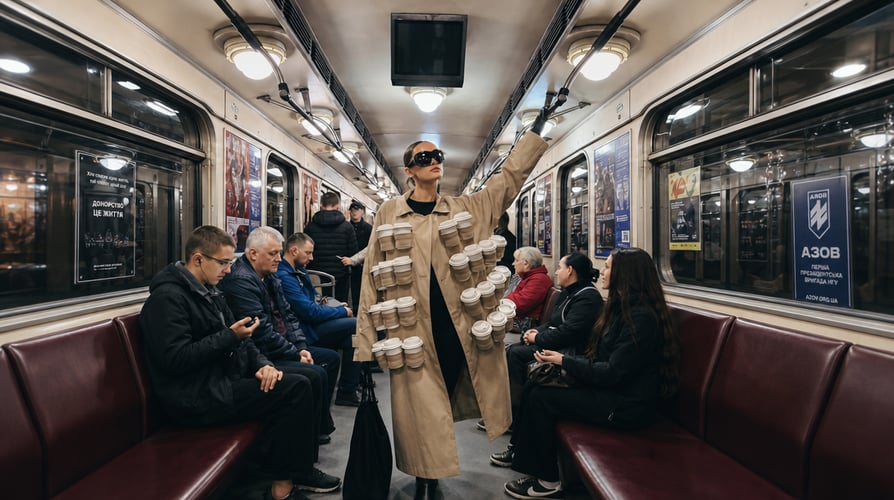
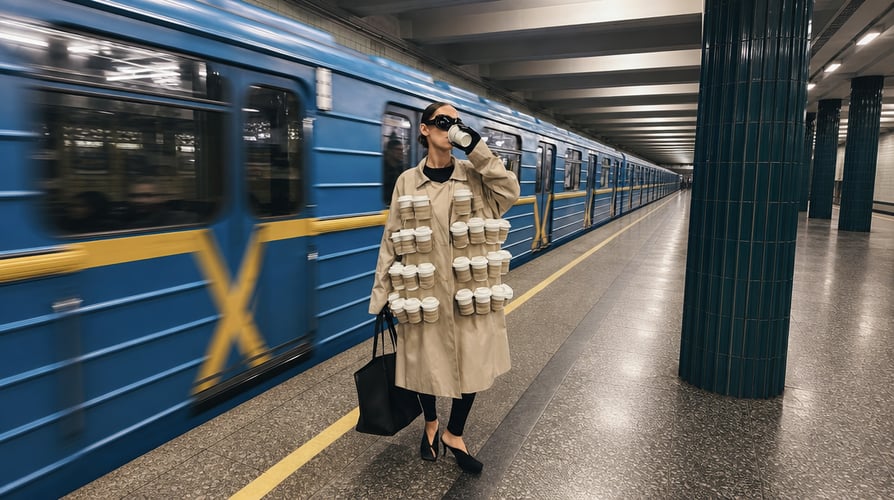
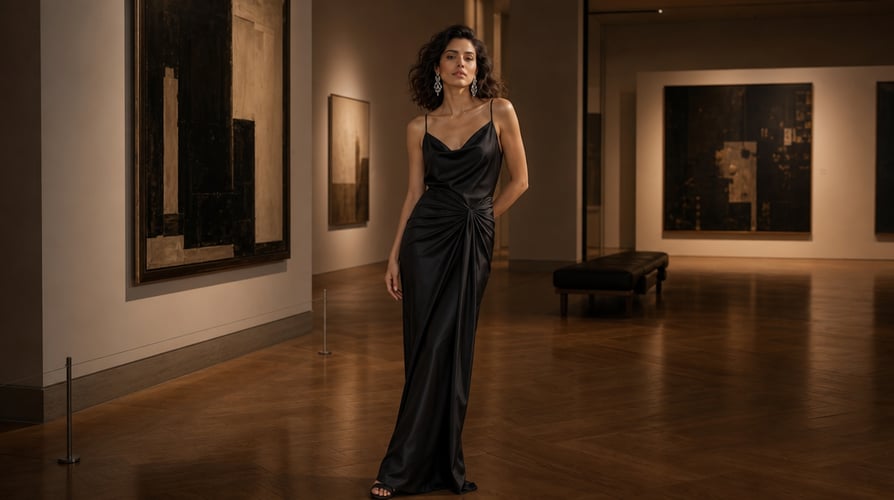
A virtual influencer is a recurring digital persona, not simply a convincing face. Recognition comes from the combination of appearance, styling, setting, and the role the character plays in the content. An AI influencer generator supplies the visual starting material. The creative brief connects those individual images into a persona that feels intentional across a series.
Separate Identity from the Scene
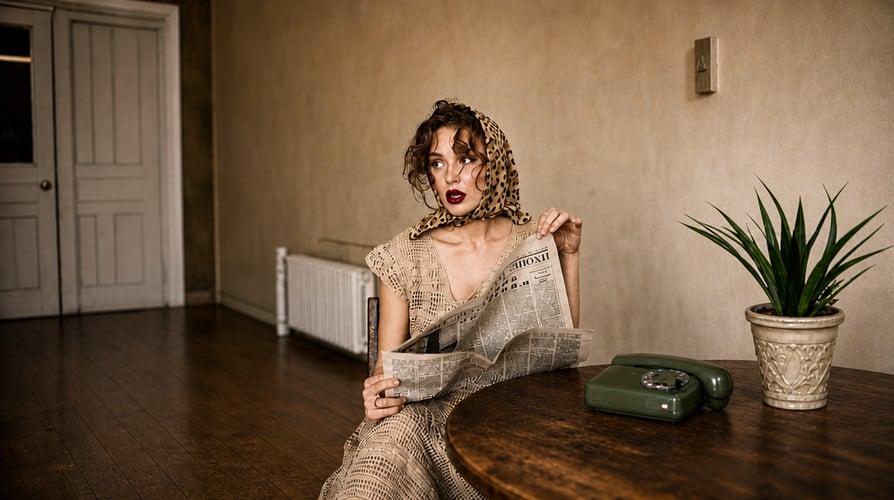
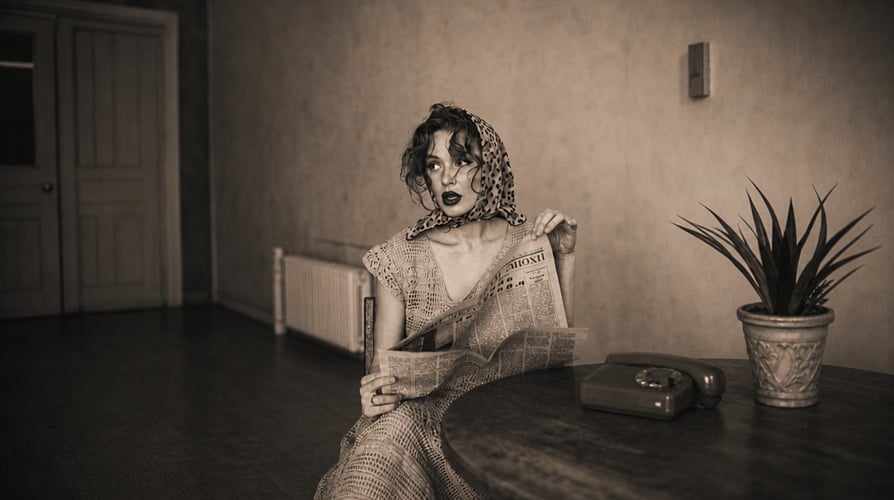
Keep a compact identity note: facial features, hair, signature accessories, and the overall styling direction. Write the changing scene in a separate part of the prompt. For example, the same fictional adult creator might appear first in a studio portrait and then at a cafe. The location changes; the defining face and visual identity should remain recognizable.
Choose a Content Role before Expanding the Series
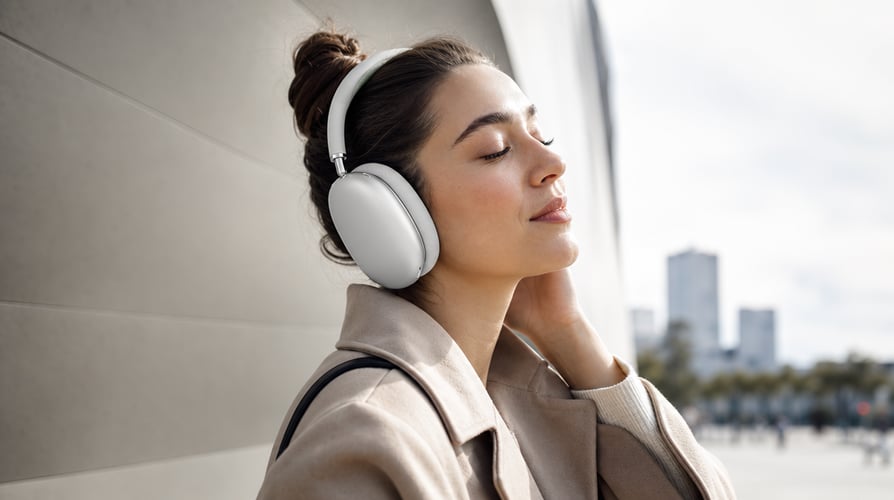
A fashion character needs images where the clothing and silhouette are easy to read. A fictional host needs an expressive portrait that supports the story. A brand mascot needs a visual treatment that fits the surrounding campaign. Choosing that role early gives each new image a purpose and makes it easier to reject attractive results that do not belong in the same project.
Write a Useful Virtual Influencer Prompt
Start with the subject and the image’s job, then describe appearance, pose, environment, light, and framing. For example: “Create an original adult virtual fashion creator with short dark curls, brown eyes, and subtle freckles. Cream jacket, relaxed expression, waist-up composition, soft window light, simple studio background.” This establishes concrete decisions without asking the model to resolve several conflicting styles at once.
Use an Approved Portrait as the Anchor
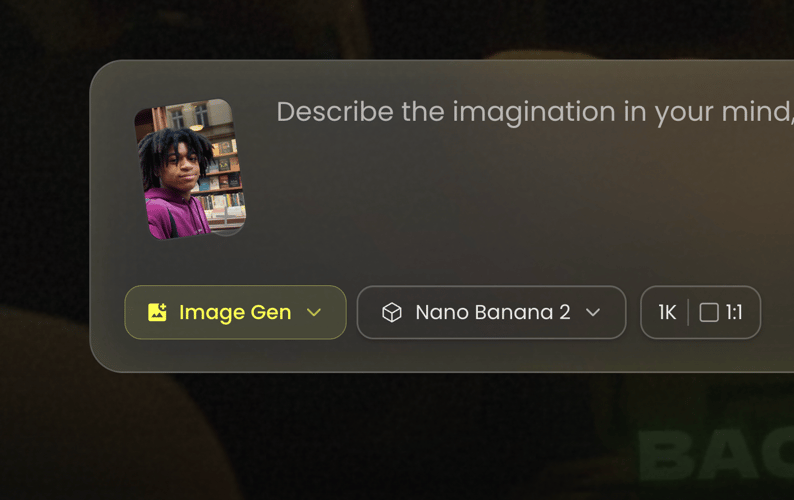
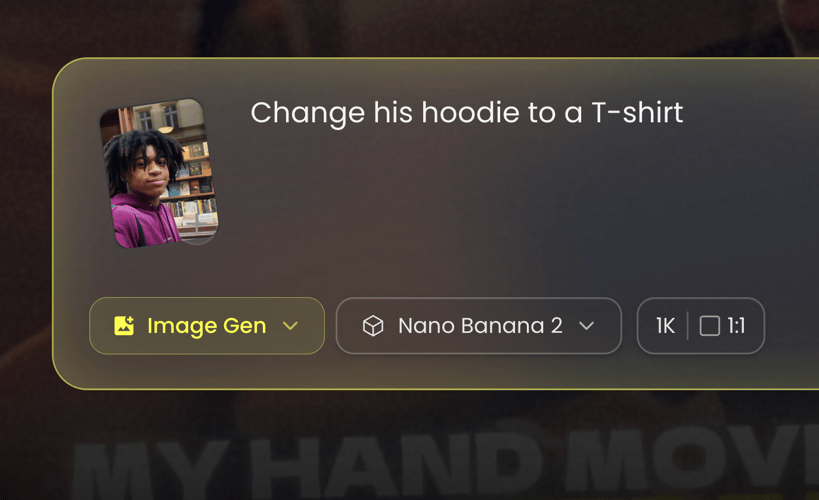
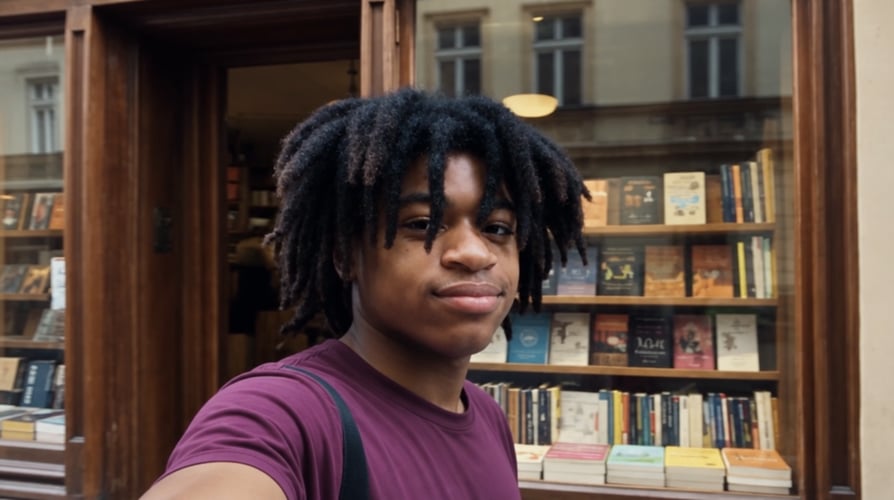
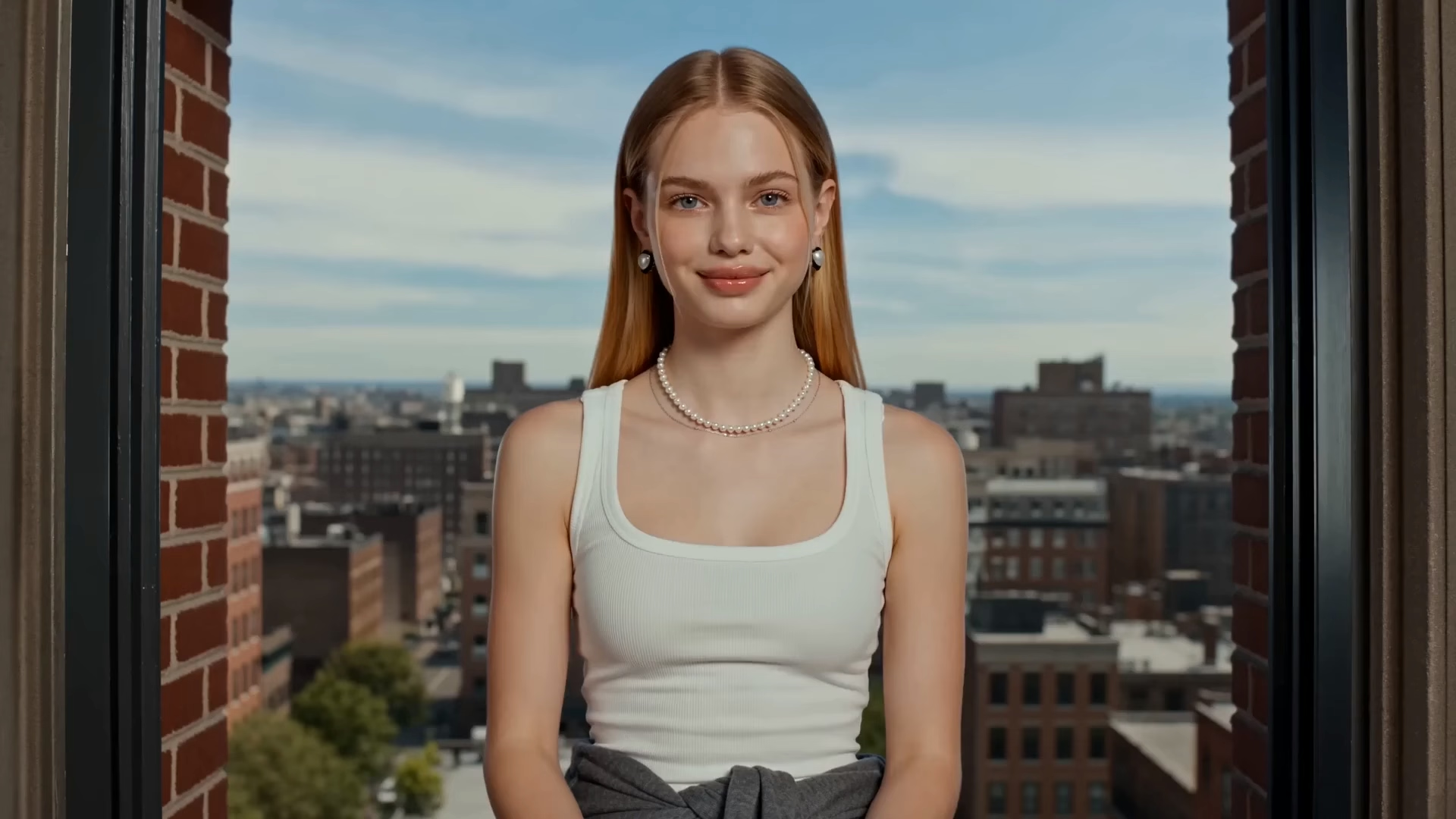
For a follow-up image, specify what stays: “Use this character reference. Keep the face, curls, and freckles recognizable. Change the jacket to a navy linen shirt and place the character at a sunlit cafe.” Compare the new result with the reference. If identity has drifted, refine that issue before adding more scene complexity. Explore Buzzy’s reference-led image generation and editing for the underlying workflow.
Give Each Revision One Clear Job
If the face is right but the outfit is not, request the wardrobe change without also changing the expression, camera angle, and lighting. If the composition needs space for a caption, revise the framing rather than redesigning the character. Narrow revisions make it easier to understand which instruction improved the image and which details should remain in the next version.
Plan the Image Series before Adding Motion
Compare a portrait, a mid-shot, and a scene image at similar viewing sizes. Check facial proportions, hairline, eye color, accessories, clothing edges, and the relationship between the subject and background. When the persona appears beside a product, verify the product details too. Select a small coherent set instead of keeping every image that looks appealing in isolation.
Keep Social Formats in the Composition Brief
An Instagram portrait and a vertical video storyboard may need different framing even when they share a character. Decide where the face sits, how much of the outfit needs to be visible, and whether the design needs negative space. Use the available workspace settings to support that composition instead of relying on a later crop to preserve important details.
Define the Moving Shot Separately
Once the still works, describe what moves and what remains stable. A slight head turn and a gentle camera push are two different instructions. Starting with a restrained shot makes continuity easier to review than combining a new environment, rapid action, and a large camera move. Check the chosen video workflow’s controls before finalizing the motion brief.
Choose Access for the Assets You Actually Need
Image creation, reference editing, and video continuation are separate actions in a project. Review the model, credits, upload eligibility, and available output settings before each stage. Use the current Buzzy pricing and plan details to compare access rather than assuming that one free generation covers a complete content series. Keep a selected reference and a focused revision plan so the next action has a clear purpose.






 BeforeAfter